An employee receives an urgent message from their CEO telling them to approve a wire transfer now. The email looks real. The tone feels familiar. It references a confidential deal. It isn’t real. This is how many executive phishing attacks... Read More
If a CFO’s personal phone is compromised, your finance stack is too. That statement is uncomfortable because it’s accurate. Today’s enterprise no longer lives inside corporate offices or behind traditional firewalls. It travels with executives, on personal phones, tablets, and... Read More
Executives do not stop working when they travel. They approve requests, respond to partners, and access sensitive systems from wherever they happen to be. That work often happens in airports, hotels, conference venues, and during transit. These environments rely on... Read More
It begins like dozens of other calls that happen every week. The voice is steady, familiar, and direct. It sounds like the CEO because, to everyone listening, it is the CEO. There is a transaction tied to a closing. Timing... Read More
Imagine seeing a video of your CEO authorizing a wire transfer, or worse, appearing in a compromising situation, only to discover it is entirely fake. The voice sounds right. The facial expressions look authentic. The urgency feels real. By the... Read More
An attacker gains access to your CEO’s inbox. From your side, nothing seems wrong. Work is continuing as usual, decisions are moving forward, and there are no obvious warning signs, which is why these incidents often go unnoticed until money... Read More
What would happen if your CEO’s identity was stolen overnight, not their laptop or a single password, but their full digital identity? This is no longer a personal issue handled quietly behind the scenes. When executive identity theft happens, it... Read More
For years, privacy sat quietly in the background. Legal teams owned it, leadership reviewed it once in a while, and most people inside the business saw it as an extra task that slowed progress. That way of thinking no longer... Read More
Crypting is a method threat actors use to hide malware so it can slip past antivirus scanners and other detection systems. Instead of changing what the malware does, crypting disguises how it looks to security software, which makes it harder... Read More
Cyber threats no longer target only technical systems, but also (or even mostly) businesses, brands, and leadership decisions. For CEOs and security teams, cyber threat intelligence has become a core input into how organizations manage risk, allocate resources, and protect... Read More
Your domain name carries a lot of weight. It appears in your emails, on your social media, and across every digital touchpoint customers rely on, so people form opinions about your company long before they interact with anyone on your... Read More
Threats to your systems don’t just come from outside attackers. Some of the most damaging breaches start from within. Internal cybersecurity threats, both intentional and accidental, often go unnoticed for longer and can be just as disruptive as external attacks.... Read More
Windsor Castle has stood for nearly a thousand years—visible for miles, a symbol of power that has hosted kings and presidents watched by millions. Yet behind its public façade lie private apartments and escape routes known only to those who... Read More
In early 2024, a sophisticated deep-fake scam targeted WPP, the world’s largest advertising group. Fraudsters created a WhatsApp account using the CEO’s photo and then organized a Microsoft Teams meeting in which the executives’ voices and images were convincingly cloned via... Read More
With the rapid development of artificial intelligence technologies, social engineering is more dangerous than ever. As CNN reports, in 2024, a multinational design and engineering company called Arup lost $25 million due to its employees falling for a deepfake impersonation scam.... Read More
Most people only ever interact with the surface web, which is the part of the internet indexed by search engines. Beneath it lies the deep web, which includes private databases, academic archives, and password-protected systems not meant for public access. ... Read More
When a bank account is hacked, it means someone has gained unauthorized access; typically through stolen credentials, malware, or an account takeover. These breaches allow attackers to transfer money, steal personal data, and sometimes reach far beyond a single account.... Read More
Cybercriminals no longer see CEOs and senior leaders as just another target; they see them as the jackpot. A 2024 Verizon DBIR report noted that executives were five times more likely than regular employees to be the subject of social engineering attacks.... Read More
Personal data protection is evolving faster than ever, not just in 2025, but for the decade ahead. What was once a niche concern for IT teams has now become a central issue for governments, global businesses, and everyday consumers. The... Read More
Open-source intelligence, better known as OSINT, has become one of the most powerful tools available online. At its core, OSINT refers to the collection and analysis of publicly available data, ranging from social media posts and company websites to leaked... Read More
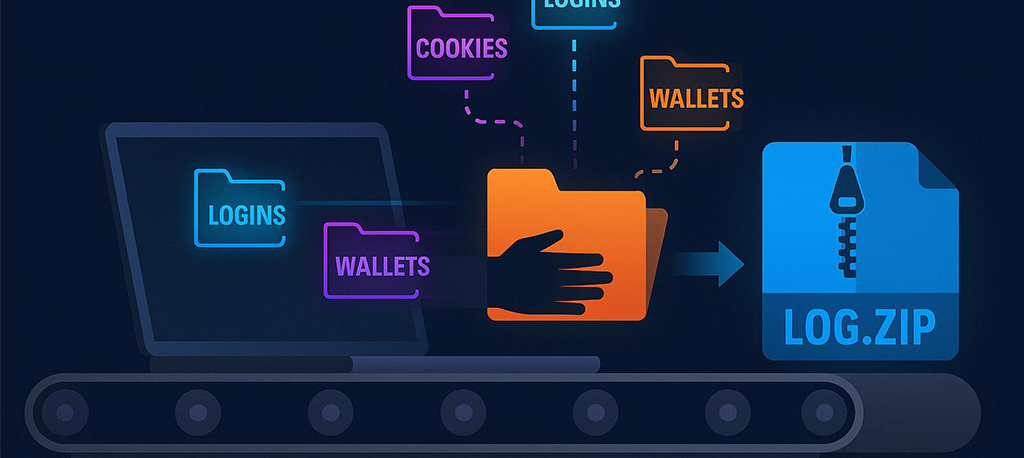
Every year, billions of login credentials and session cookies get traded on underground platforms. In 2024 alone, infostealers grabbed 2.1 billion credentials, representing nearly two-thirds of all credentials stolen that year. Meanwhile, device infections from data-stealing malware have surged. In... Read More
Somewhere online, there may be a version of you making moves you never approved. This impersonator is not science fiction but a digital doppelgänger – a profile pieced together from stolen credentials, leaked databases, social media posts, data broker files,... Read More
There’s an entire market built around your personal data, and most people have no idea it exists. Behind the websites you visit, the forms you fill out, and the apps you use, there’s a network of companies collecting, packaging, and... Read More
You might think you’re just casually browsing or using your phone, but every tap, swipe, and search leaves behind a trail. This background stream of data called digital exhaust builds up quietly as you go about your day, whether you’re... Read More